


To search the press groups, associations for the blog” News-art-culture.com”
Mascagni enters in music with the new style. He makes himself heard, appreciated in symbolism variations widely by adventurous exotism and dannunzianism’s color. His musical way is adventurous and eclectic. Enter we in musical adventure of Mascagni?
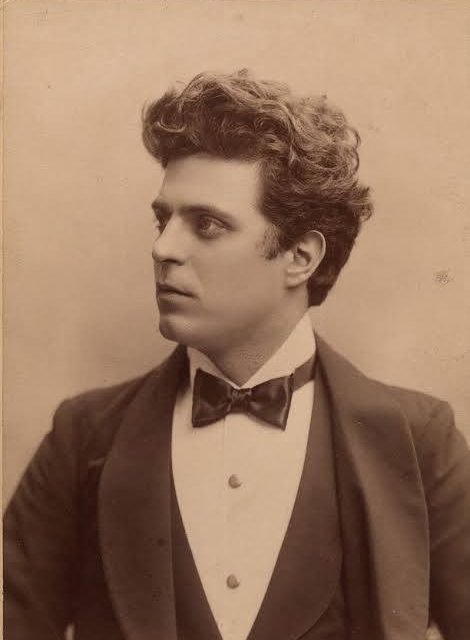
Pietro Antonio Stefano Mascagni is birth to Livorno on the Decembre 1863 and died to Rome in 2 august 1945, has been a composer and director of Italian orchestra. He is the composer which oscillate among 1800-1900 with a big popular and Mondial success represented of decadent opera by symbolism, exotism, dannunzianism and expressionism. The one of his works by great success has been “Cavalleria Rusticana” written in 1890, being one from 15th artistic works with that obtains a big Mondial popularity near of few time’s composers.
THE START, MUSICAL CARRIER AND ARTISTIC EXPRESSION
The son of bakers renowned Mascagni is birth on 7th December 1863 in the place Erbe from Livorno with the predilection for the music. Passing of the secondary study, he remains fascinated of music studying the pianoforte and organ. From 1876 he becomes contrary at the father will for to have another carrier with desire to continue the music study (violon, contrabass, contra point, harmony) with Alfredo Soffredini the founder of Musical Institute from Livorno (today is named Mascagni). The first composition has been the romance” Duolo Eterno” in 1879 followed in varies years by Elegy for the soprano, violon, pianoforte, Ave Maria, Our Father for tenor and Quintet of arches, Symphony in fa major, sing “Alla gioia” on the text of Friedrich Schiller…
The music fascination is near of him! Dynamic, perseverant he continues the adventurous way in music art. For deep the music he goes to Milan to studying at Conservatory with the masters Amilcare Panchielli and Michele Salodino. In same time he studies and share the poverty and the joy for the music with the composer Giacomo Puccini. In his imagine enters differences, difficile moments from part of teachers for the methods and musical discipline contents for temperament and modern start from his music. Thinking in conflictual situation he abandons the Conservatory and music studies entering as orchestra’s, director at company of operetta.
Already, he starts the tourney and success!
With the company of operetta he goes in Maresca, at Cerignola where composes five principal works (Cavalleria Rusticana, L’amico Fritz, Rantzau, Guglielmo Ratcliff and Silvana), after these he continues in teaching lessons of music and sing. In the year 1888 he subscribes at a resounding concurs of opera at the editorial house Sonzogno , where he becomes the winner with “Cavalleria Rusticana”, a big success sustained as debut at Theatre Costanzi from Roma. In the successive years he starts to collaborate with Luigi Illica (author of texts by Catalani, Giordano and Puccini) for redacting of “Iris” a work commissioned by editor Riccordi. With the years 1899- 1900 he presents in quality of orchestra director in varies concerts at Petersburg, Viena, United States. In 1901 he obtains an another Mondial success with opera” Le Maschere” represented to Milan, Venice, Turin, Theatre Costanzi from Rome as artistic director. With great honor for his artistic merit in the year 1927 he is delegated of govern to Viena in quality of Italy represented with celebration centenary from Ludwig van Beethoven’s death. In 1929 is named member of Royal Academy from Italy nearby Luigi Pirandello, Guglielmo Marconi, Gabriele D’Annunzio and Enrico Fermi. Among the compositions and director of orchestra’s work he maintains and a politic activity , at that he is dedicated ,enrolling in 1932 in Fascist National Party.
MASCAGNI’S MUSIC; ARTISTIC EXPRESSION
Mascagni in artistic life is defined “one opera man” for the fact that composed only one opera of success. The music is defined exasperate whether for acute sounds inclinations whether for utilizing on the large scale. Eclectic, he continues the adventurous way in music accenting the symbolism more the dramaturgy, exotism and oriental themes as example being opera “Iris”. After “Iris” opera’s representing “Giuseppe Verdi writes him an appreciation through that he recognizes the artistic value. “You are the single which can bring at high our art’s flag”. In the first works (Cavalleria Rusticana|, L’amico Fritz, Ratcliff, Iris, Le Maschere and Rantzau) adopted a sensible style but decadent like poesy and painting from same time. The single very opera (very movement artistic of ‘800) has been Cavalleria Rusticana. A place of decadent opera has been symbolism, exotism, dannunzianism and later expressionism sometimes presents difficulty in understanding artistic expression. With all these the modernism is noted in music and expressionism is related by his character. How does he interpret his musical activity?
He refuses to be verist, refuses to reconquer the public, refuses to reconvert the verism wants to go on the adventurous and eclectic way. In 1917 he composes “Satanic Rapsody” being registered and for the movie with same name directed by Nino Oxilia, a film that tempted to be Opera of Art Total theorized of composer Richard Wagner, continuing with music for soundtrack from three chapter of movie Il Padrino ( fragment of Cavalleria Rusticana) and composition “ Melody immortal” which will be heard in the movie which redate his story of life directed by Giacomo Gentiluomo.
He remains an artist more famous not only for the written works or for activity by master chief of orchestra but as the personage to fashion(worldly) of this time. He maintains the friendliness with the painters Giovanni Fattori, Gaetano Previati, Plinio Nomellini instead from the writer Gabriele D’Anunzio obtains the critic and later exalts in admiration through artistic collaboration. His imagine, the profile enters in time iconography, being a worldly personage with the Tuscan cigar between the lips and haircut:” haircut of Mascagni”. He dies in 2 august 1945 to Rome in apartment to Grande Hotel Plaza Rome; he is buried in cemetery Misericordia from Livorno.
MASCAGNI’S MUSIC
Operete: Il re a Napoli, Si
Lyrical works: Cavalleria Rusticana, L’amico, Fritz, Guglielmo Ratcliff, Silvano Zanetto, Iris, Le maschere, Pinotta, Nerone, Parisina, Amica….
Sacred music: Messa di Requiem, Messa di Gloria in fa major for choir and orchestra, religious Symphony, Salve Regina for soprano, tenor and baritone, In natività Domini, Ave Maria for canto and pianoforte…
Symphonic music: Elegy for tenor, violin and pianoforte, Symphony in do minor, Melody for violin, Novellina for pianoforte, Legend for tenor, Melody for violin, Serenate, The moon is shining….
The music for movie: Satanic rhapsody, The sing for sun….
Mascagni’s harmony varies in different styles from symbolism, exotism, dannunzianism to expressionism in opera and symphonic music. His way is adventurous among the years 1800-1900 , refuses the really opera, of tradition among critics, admiration, didactic methods and editorial houses. He searches instrumental harmony in modern music but sometimes it’s less unknown for eclectic and artistic modernity changes. The expressionism in his music has a privilege place as his imagine through salon worldly, where he is appreciated and admired for to continue the music adventure through international success. Mascagni’s talent is noted of variety of styles, in harmony and through artistic sensibility which make him famous.
Criticized or admired? Is the music which defined him!


Recent Comments